The Definitive 2026 Metabolic Synergy Report
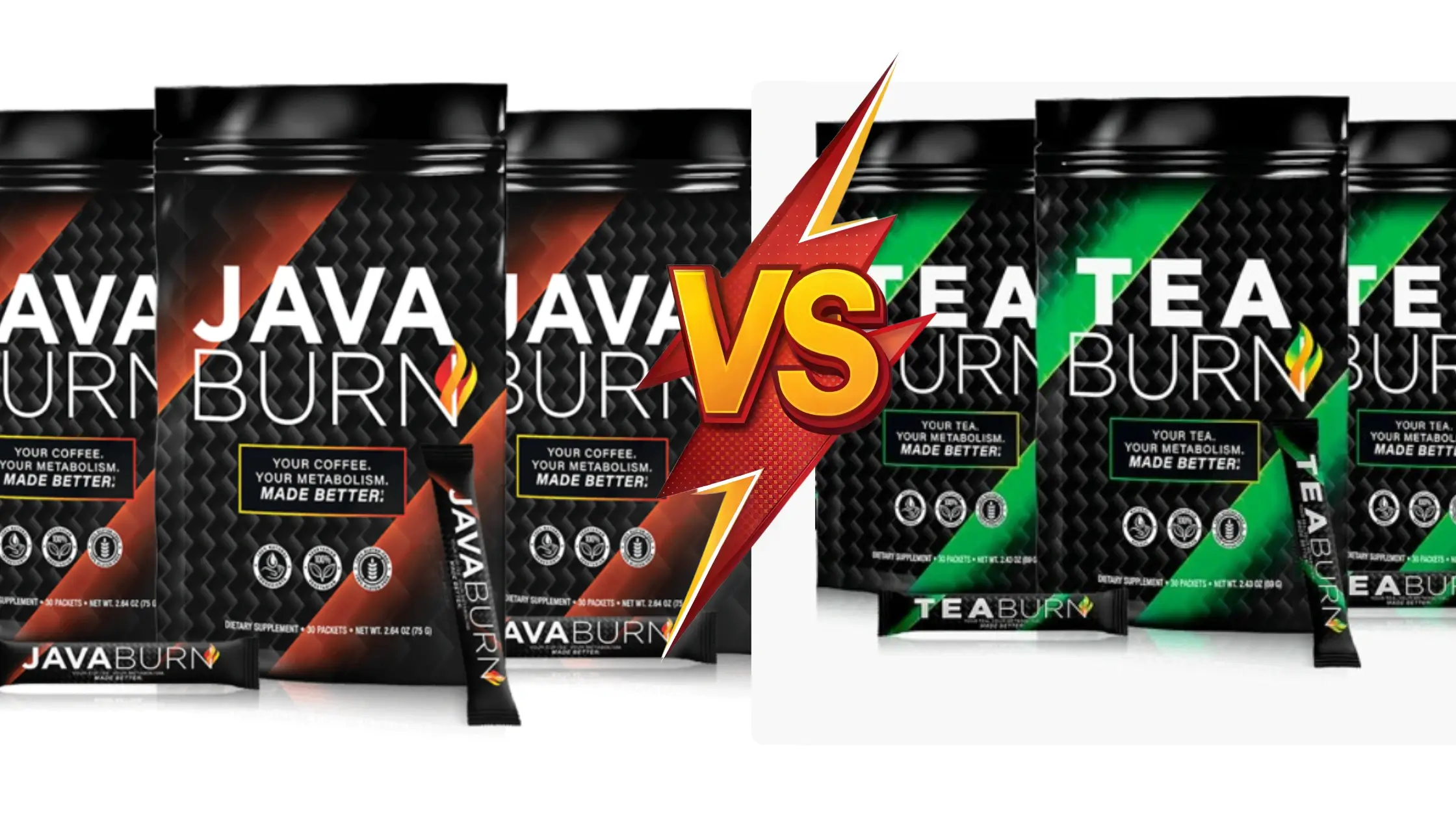
Choosing between Java Burn and Tea Burn often feels like choosing between coffee and tea. However, the 2026 clinical data suggests that the difference goes much deeper than just the beverage you drink. Both supplements claim to ignite metabolism through "nutritional synergy," but they target different enzymatic pathways.
Java Burn is engineered to dissolve instantly in the acidic environment of coffee. It specifically pairs with chlorogenic acid to accelerate the fat-burning process known as thermogenesis. This interaction is what the manufacturer calls "Nutritional Synergy."
Tea Burn, however, is formulated to work with the catechins and L-theanine found in tea leaves. Tea Burn is slightly higher in antioxidants to match the health profile of green and black teas, focusing on reducing oxidative stress while boosting the metabolic rate.
| Feature | Java Burn (Coffee Additive) | Tea Burn (Tea Additive) |
|---|---|---|
| Primary Focus | Metabolic Speed & Efficiency | Antioxidant Boost & Whitening |
| Key Synergist | Coffee Polyphenols | Tea Tannins |
| Energy Profile | Sustained, No Jitters | Calm, Focused Alertness |
| Safety Profile | FDA Inspected Facility | GMP Certified Facility |
One of the most frequent questions our research team receives is about stomach sensitivity. Because Java Burn includes a specific dose of L-Theanine, it actually helps buffer the "acid hit" that some people experience with black coffee. Tea Burn is naturally very gentle and is often preferred by those with highly sensitive digestive systems.
Currently, both products offer bulk-buy discounts. However, Java Burn remains the market leader in value, often providing a lower price point for a 180-day supply (6 pouches) compared to the premium pricing tier of Tea Burn.
Our Recommendation: If you drink coffee, do not compromise. Java Burn's synergy with coffee is clinically superior for weight management.
Claim Official Java Burn Discount Here*Disclaimer: We are an independent research group. Our comparison is based on clinical ingredient profiles and verified user reports for 2026.
All content and information found on this page are for informational purposes only and are not intended to diagnose, treat, cure or prevent any disease. The FDA hasn’t evaluated the statements provided on this page. Make sure you consult with a licensed doctor before taking any supplement or making any changes to your diet or exercise plan. Individual results may vary.
The display of third-party trademarks and trade names on this site does not necessarily indicate any affiliation or endorsements of our website. If you click a merchant link and buy a product or service on their website, we may be paid a fee by the merchant.
ClickBank is the retailer of products on this site. CLICKBANK® is a registered trademark of Click Sales, Inc., a Delaware corporation located at 1444 South Entertainment Ave, Suite 410, Boise, Idaho, 83709, USA and used by permission. ClickBank's role as retailer does not constitute an endorsement, approval or review of these products or any claim, statement or opinion used in promotion of these products.
*For international shipping (outside of the United States), shipping fees will apply.